
Power Outage in Only One Room? Here is What It Means
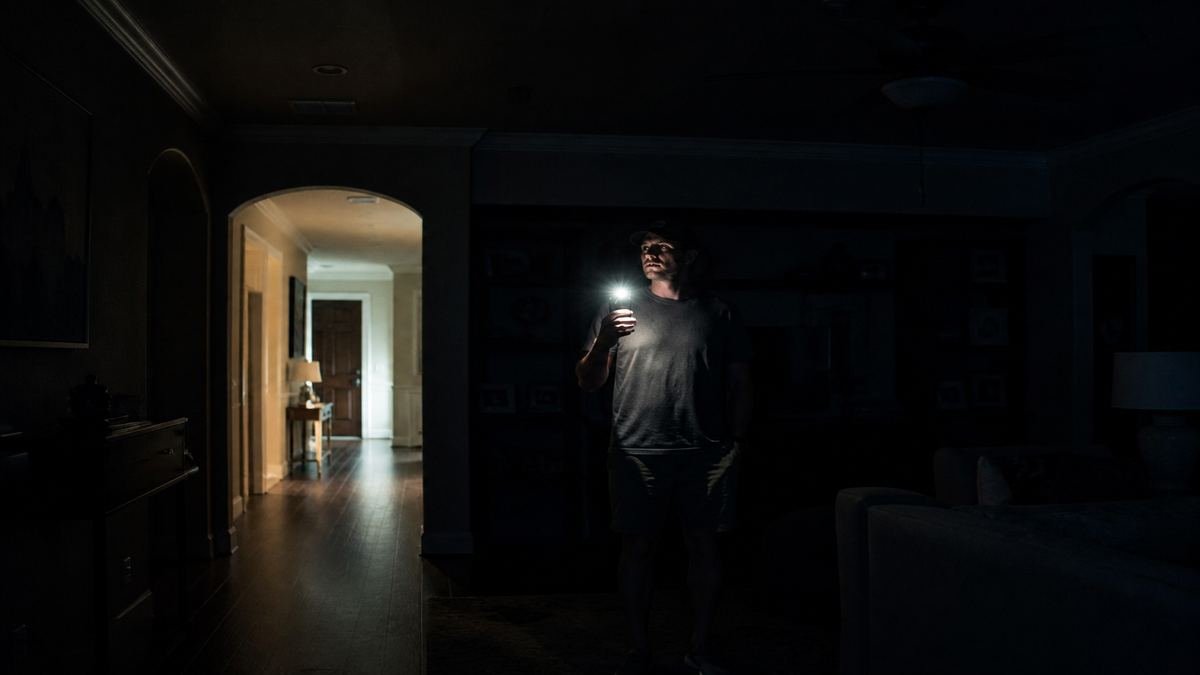
Step 1: Check the Breaker Box
The most common reason for a single room losing power is an overloaded circuit tripping the breaker. Grab a flashlight and head to your electrical panel. Look for a switch that is flipped to the "OFF" position or sitting in the middle. Flip it completely off, then firmly back to "ON". If the power returns and stays on, you simply overloaded the circuit (usually by running too many high-wattage appliances like space heaters or hair dryers at once).
Step 2: Check for GFCIs
If the outage is in the kitchen, bathroom, or garage, you might have tripped a GFCI (Ground Fault Circuit Interrupter) outlet. Look for an outlet with "TEST" and "RESET" buttons. Press the "RESET" button. Often, multiple outlets are chained to a single GFCI, so resetting one can restore power to the whole room.
Step 3: Listen and Smell for Danger
If the breaker wasn't tripped, or if it immediately trips again when you turn it on, stop. Go to the dark room and smell the air near the outlets. Do you smell burning plastic or a fishy odor? Do you hear a buzzing or crackling sound? These are signs of electrical arcing and melting wires behind the walls, which can easily start a fire.
Step 4: Call an Emergency Electrician
If resetting the breaker doesn't work, you have a severe wiring issue, a failed breaker, or a loose connection in the panel. Do not attempt to open the electrical panel or pull outlets out of the wall yourself. Contact an emergency electrician in Austin or Round Rock to diagnose the fault safely using professional multimeters.
Frequently Asked Questions
A: An immediate trip usually indicates a "short circuit" (a hot wire touching a neutral or ground wire) or a severe appliance fault. Leave it off and call a professional immediately to prevent a fire.
Common electrical problems in Texas homes
If you're reading this you probably ran into one of the situations below — these five buckets cover roughly 70–80% of the electrical calls dispatched across Houston, Dallas, Austin, and San Antonio each week. Each item includes the actual fix and honest cost range, not marketing fluff.
Half the house lost power, no breaker tripped
Loose main lug, failing bus bar, or utility service issue. Panel inspection is priority — bad connections in a panel can start fires. Diagnostic $150-250; repair depends on findings.
Outlet feels warm or has visible scorch marks
Immediate hazard. Kill the breaker to that circuit and don't use it until inspected. Backstab connections and aluminum-branch wiring are the usual culprits. Repair $180-400 per outlet including proper connections.
New appliance keeps tripping the breaker
Either genuinely overloading the circuit or the breaker itself is worn. Never upsize a breaker to make tripping stop — that's how houses burn down. Correct fix is either a dedicated circuit ($400-900) or investigating the appliance.
Lights flicker briefly across the whole house
Usually neutral connection issue at the panel or meter. This is high-priority — a floating neutral can send 240V into 120V appliances and destroy electronics. Diagnostic $180-320.
Want a Level 2 EV charger installed
40-60A dedicated 240V circuit from the panel. Straight-shot install with panel space available: $650-1,200. Long conduit run or panel upgrade needed: $1,500-3,500.
Honest electrical pricing in Texas (2024–2025)
Ranges below are collected from independent, licensed Texas contractors — not a franchise call center. Every dispatched job gets a written estimate before work starts, so you always know the number before you approve.
| Scope | Typical range |
|---|---|
| Diagnostic / service call | $95 – $180 |
| Breaker replacement (standard 15/20A) | $140 – $250 |
| GFCI outlet install | $120 – $220 |
| Panel upgrade 100A → 200A | $1,800 – $4,500 (utility coordination required) |
| Level 2 EV charger install (40A, 30 ft run) | $650 – $1,600 |
| Whole-home Type 2 surge protector | $350 – $650 installed |
Prices exclude sales tax. After-hours (9pm–7am) and weekend calls typically add $25–75 depending on trade.
What to expect when the tech arrives
Every dispatched contractor follows the same clean process regardless of which Texas metro you're in. This is what a normal on-site visit looks like:
- Tech arrives with meters, thermal camera (for hot connections), common breakers.
- Walks the panel and problem circuit, reads voltage/amperage under load.
- Isolates the fault to a specific breaker, wire run, device, or fixture.
- Writes estimate; permits pulled if scope requires them.
- Executes repair, retests, and (for permitted work) coordinates inspection.
Seasonal notes for Texas electrical
Storm season (April-October) brings surges — this is when whole-home surge protection pays for itself. Winter cold snaps overload grid and trip weak panels. Fall is the ideal time to test GFCIs and inspect the panel for corrosion after summer humidity.
Warranty & materials
Labor warranty from Texas electricians is typically 1-2 years. Panels: Square D QO 10 year guaranteed, Eaton BR/CH lifetime for interrupting rating. Generac generators: 2-5 year residential warranty with 10-year extended optional. Register EVERY generator install.
Frequently asked
Why does my breaker keep tripping in your Texas city?
A breaker's job is to trip — that's the failure mode you want. The question is why. Common causes: (1) overloaded circuit (too many high-draw appliances on one line), (2) short circuit in appliance or wiring, (3) ground fault (wet outlets, damaged cord), (4) worn breaker itself. If it trips instantly on reset with nothing plugged in, that's a short and needs immediate attention. If it trips under load only, likely overload — but always diagnose rather than upsizing the breaker.
How much does an electrical panel upgrade cost in your Texas city?
For a straightforward 100A→200A upgrade with the utility on-side and no ancillary work, budget $1,800–3,200. Add $600–1,500 if the meter base needs replacement, service mast needs upgrading, or the grounding electrode system is deficient. Permits and inspection are part of the price of any legitimate panel upgrade.
Do I need a permit for electrical work?
Any work touching your service panel, main service, or new circuits legally requires a permit and inspection in most Texas jurisdictions. Simple like-for-like device replacements (outlets, switches, light fixtures) typically don't. A licensed electrician handles the permit filing as part of the job.
What size EV charger should I install?
For most EVs, a 40A hardwired Level 2 charger (delivering ~9.6 kW) is the sweet spot — refills the average commute in 4–6 hours. Larger 48–60A units make sense for large-battery trucks (F-150 Lightning, Silverado EV). A dedicated 240V circuit and NEMA 14-50 receptacle or hardwired install are both common.
Where Texaserv dispatches electrical in Texas
Every job routes to a licensed contractor already working in the metro. Click through for the local pricing, response bands, and licensed contractor details:
